
-
Books 53142 Offer(s)
 ✓ In Stock
Secret Book and Record Store The
The Dragon Throne: China's Emperors From The Qin To The Manchu; Jonathan Fenby
Dublin 2 dublin
 ✓ In Stock
Secret Book and Record Store The
How To Make A Tornado, The Strange and Wonderful Things That Happen When Scientists Break Free
Dublin 2 dublin

 ✓ In Stock
Secret Book and Record Store The
Witnessing Waterloo: 24 Hours, 48 Lives, A World Forever Changed; David Crane
Dublin 2 dublin


 ✓ In Stock
Secret Book and Record Store The
Raising the Dead, The Men Who Created Frankenstein; Andy Dougan
Dublin 2 dublin

 ✓ In Stock
Secret Book and Record Store The
Gun Baby Gun, A Bloody Journey into The World of the Gun; Iain Overton
Dublin 2 dublin
 ✓ In Stock
Secret Book and Record Store The
To Fight Alongside Friends: The First World War Diary of Charlie May
Dublin 2 dublin


 ✓ In Stock
Secret Book and Record Store The
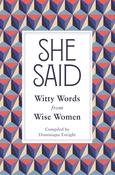
She Said: Witty Words from Wise Women; Compiled by Dominique Enright
Dublin 2 dublin


 ✓ In Stock
Secret Book and Record Store The
Who is That Man? In Search of the Real Bob Dylan; David Dalton
Dublin 2 dublin
 ✓ In Stock
Secret Book and Record Store The
Loose Cannons: 101 Myths, Mishaps, and Misadventures of Military History; Graeme Donald
Dublin 2 dublin

 ✓ In Stock
Secret Book and Record Store The
The Iron Whim, A Fragmented History of Typewriting; Darren Wershler-Henry
Dublin 2 dublin
 ✓ In Stock
Secret Book and Record Store The
A Tale of A Tub: The Battle of the Books, The Mechanical Operation of the Spirit; Jonathan Swift
Dublin 2 dublin
 ✓ In Stock
Secret Book and Record Store The
Percy Bysshe Shelley, Poet and Revolutionary; Jacqueline Mulhallen
Dublin 2 dublin
 ✓ In Stock
Secret Book and Record Store The
Discover: The Roman Empire; Isabel & Imogen Greenberg
Dublin 2 dublin
 ✓ In Stock
Secret Book and Record Store The
Bash the Rich, True Life Confessions of an Anarchist in the UK; Ian Bone
Dublin 2 dublin

 ✓ In Stock
Secret Book and Record Store The
Discover: The Ancient Egyptians; Isabel & Imogen Greenberg
Dublin 2 dublin
 ✓ In Stock
Secret Book and Record Store The
In Search of the Lost Chord, 1967 and the Hippie Idea; Danny Goldberg
Dublin 2 dublin
 ✓ In Stock
Secret Book and Record Store The
Rock Star, The Making of Musical Icons From Elvis to Springsteen; David R. Shumway
Dublin 2 dublin


 ✓ In Stock
Secret Book and Record Store The
One Bloody Thing After Another, The World's Gruesome History; Jacob F. Field
Dublin 2 dublin
 ✓ In Stock
Secret Book and Record Store The
A Short History of Disease: Plagues, Poxes and Civilisations; Sean Martin
Dublin 2 dublin
 ✓ In Stock
Secret Book and Record Store The
Touch, The Science of the Sense That Makes Us Human; David J. Linden
Dublin 2 dublin


 ✓ In Stock
Secret Book and Record Store The
Tony Visconti The Autobiogrpahy; Bowie, Bolan and the Brooklyn Boy
Dublin 2 dublin

 ✓ In Stock
Secret Book and Record Store The
Ziggyology, A Brief History of Ziggy Stardust; Simon Goddard
Dublin 2 dublin
 ✓ In Stock
Secret Book and Record Store The
Life After Dark, A History of British Nightclubs & Music Venues; Dave Haslam
Dublin 2 dublin


 ✓ In Stock
Secret Book and Record Store The
Fire and Brimstone, The North Butte Mining Disaster of 1917; Michael Punke
Dublin 2 dublin


 ✓ In Stock
Secret Book and Record Store The
Byzantium, Capital of an Ancient Empire; Giles Morgan
Dublin 2 dublin
 ✓ In Stock
Secret Book and Record Store The
Hippo Eats Dwarf: The World's Greatest Urban Myths, Fakes and Hoaxes; Alex Boese
Dublin 2 dublin

 ✓ In Stock
Secret Book and Record Store The
Set Phasers to Stun, 50 Years of Star Trek; Marcus Berkmann
Dublin 2 dublin

 ✓ In Stock
Secret Book and Record Store The
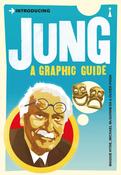
Introducing Evolutionary Psychology, A Graphic Guide
Dublin 2 dublin
Related Searches
David Baldacci Book
Children'S Mythology Stories
Michael Harding Memoir
Books For Ages 9-12
Busy At Maths 5
Political History Ireland
Inspirational Children'S Book
James Connolly Book
Historical Biography
Motivational Books
Crime Fiction Book
Peppa Pig Pop Up Tent
Romance Novel
Emer Mclysaght Book
Easy Cooking Recipes