
-
Books 53142 Offer(s)
 ✓ In Stock
Secret Book and Record Store The
Pleasures of the Table, A Literary Anthology; Christina Hardyment
Dublin 2 dublin


 ✓ In Stock
Secret Book and Record Store The
The Reality Frame, Relativity And Our Place In The Universe; Brian Clegg
Dublin 2 dublin



 ✓ In Stock
Secret Book and Record Store The
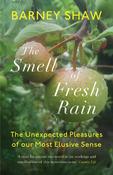
The Smell of Fresh Rain, The Unexpected Pleasures of our Most Elusive Sense; Barney Shaw
Dublin 2 dublin
 ✓ In Stock
Secret Book and Record Store The
Introducing Artificial Intelligence, A Graphic Guide
Dublin 2 dublin


 ✓ In Stock
Secret Book and Record Store The
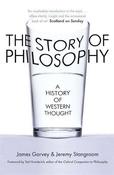
The Story of Philosophy, A Western Thought; James Garvey & Jeremy Stangroom
Dublin 2 dublin
 ✓ In Stock
Secret Book and Record Store The
The Mammoth Book of Combat, Reports From The Frontline
Dublin 2 dublin
 ✓ In Stock
Secret Book and Record Store The
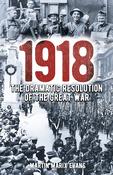
1918: The Dramatic Resolution of the Great War; Martin Marix Evans
Dublin 2 dublin

 ✓ In Stock
Secret Book and Record Store The
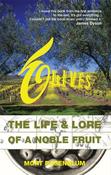
Olives, The Life & Lore of A Noble Fruit; Mort Rosenblum
Dublin 2 dublin
 ✓ In Stock
Secret Book and Record Store The
The Universe: Explained, Condensed and Exploded; Richard Osborne
Dublin 2 dublin

 ✓ In Stock
Secret Book and Record Store The
The High Window; Raymond Chandler (Philip Marlowe Book 3)
Dublin 2 dublin
 ✓ In Stock
Secret Book and Record Store The
The Mammoth Book of Cthulhu: New Lovecraftian Fiction; Edited by Paula Guran
Dublin 2 dublin
 ✓ In Stock
Secret Book and Record Store The
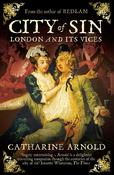
City of Sin, London and It's Vices; Catharine Arnold
Dublin 2 dublin

 ✓ In Stock
Secret Book and Record Store The
The Epicurean's Good Food Guide, Buying and Using Ingredients from Around the World; Roz Denny
Dublin 2 dublin

 ✓ In Stock
Secret Book and Record Store The
The Pleasure Principle, Epicureanism: A Philosophy for Modern Living; Catherine Wilson
Dublin 2 dublin

 ✓ In Stock
Secret Book and Record Store The
Goldilocks and The Water Bears, The Search for Life in the Universe; Louisa Preston
Dublin 2 dublin
 ✓ In Stock
Secret Book and Record Store The
Inventions That Didn't Change the World; Julie Halls
Dublin 2 dublin
 ✓ In Stock
Secret Book and Record Store The
Strange Intelligence, Memoirs of Naval Secret Service; Hector C. Bywater & H.C Ferraby
Dublin 2 dublin


 ✓ In Stock
Secret Book and Record Store The
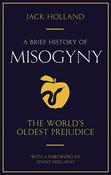
A Brief History of Misogyny: The World's Oldest Prejudice; Jack Holland
Dublin 2 dublin
 ✓ In Stock
Secret Book and Record Store The
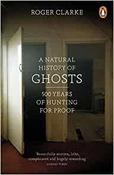
A Natural History of Ghosts: 500 Years of Hunting for Proof; Roger Clarke
Dublin 2 dublin

 ✓ In Stock
Secret Book and Record Store The
Can't Be Arsed, 101 Things NOT To Do Before You Die; Richard Wilson
Dublin 2 dublin


 ✓ In Stock
Secret Book and Record Store The
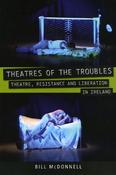
Theatres of The Troubles: Theatre, Resistance and Liberation in Ireland; Bill McDonnell
Dublin 2 dublin
 ✓ In Stock
Secret Book and Record Store The
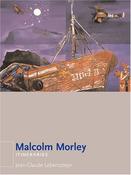
Malcolm Morley Itineraries; Jean-Claude Lebensztejn
Dublin 2 dublin

 ✓ In Stock
Secret Book and Record Store The
The Immeasurable World, Journeys in Desert Places; William Atkins
Dublin 2 dublin
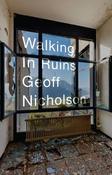
 ✓ In Stock
Secret Book and Record Store The
Murder Has A Public Face, Crime and Punishment in the Speed Graphic Era; Larry Millett
Dublin 2 dublin

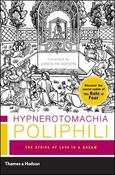 ✓ In Stock
Secret Book and Record Store The
Hypnerotomachia Poliphili, The Strife of Love in a Dream (Thames & Hudson)
Dublin 2 dublin
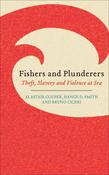 ✓ In Stock
Secret Book and Record Store The
Fishers and Plunderers: Theft, Slavery and Violence at Sea; Alastair Couper, Hance D. Smith and Bruno Ciceri
Dublin 2 dublin
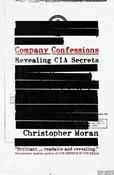 ✓ In Stock
Secret Book and Record Store The
Company Confessions, Revealing CIA Secrets, Christopher Moran
Dublin 2 dublin
 ✓ In Stock
Secret Book and Record Store The
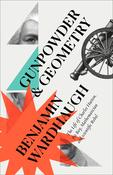
Gunpowder & Geometry, The Life of Charles Hutton: Pit Boy, Mathematician and Scientific Rebel; Benjamin Wardhaugh
Dublin 2 dublin
 ✓ In Stock
Secret Book and Record Store The
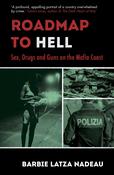
Roadmap to Hell: Sex, Drugs and Guns on the Mafia Coast; Barbie Latza Nadeau
Dublin 2 dublin

Related Searches
Literary Analysis Books
Primary Education Book
Irish Civil War
Children'S Mystery Books
Planet Maths Senior Infants
My Hero Academia
Irish Fiction Novels
Romantic Books
Primary School Curriculum
Parenting Strategies Book
Harry Potter Illustrated Edition
Educational Stories
Music Education Resources
Gardening Books
Oliver Twist Book