
-
Books 53142 Offer(s)

 ✓ In Stock
Secret Book and Record Store The
Knowledge is Power: How Magic, The Government and an Apocalyptic Vision Helped Francis Bacon Create Modern Science; John Henry
Dublin 2 dublin
 ✓ In Stock
Secret Book and Record Store The
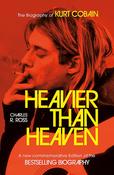
Heavier Than Heaven: The Biography of Kurt Cobain; Charles R. Cross
Dublin 2 dublin
 ✓ In Stock
Secret Book and Record Store The
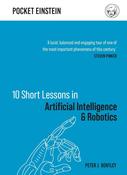
10 Short Lessons in Artificial Intelligence & Robotocs; Peter J. Bentley
Dublin 2 dublin


 ✓ In Stock
Secret Book and Record Store The
Churchill's Hellraisers: The Secret Mission to Storm a Forbidden Nazi Fortress; Damien Lewis
Dublin 2 dublin

 ✓ In Stock
Secret Book and Record Store The
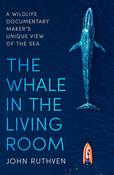
The Whale in the Living Room: A Wildlife Documentary Maker's Unique View of the Sea; Hohn Ruthven
Dublin 2 dublin
 ✓ In Stock
Secret Book and Record Store The
What it Takes to Become a Chess Master; Andrew Soltis
Dublin 2 dublin


 ✓ In Stock
Secret Book and Record Store The
NewScientist: The Brain: A User's Guide to The Supercomputer Inside Your Head
Dublin 2 dublin

 ✓ In Stock
Secret Book and Record Store The
Being the Supervet: How Animals Saved my Life; Noel Fitzpatrick
Dublin 2 dublin
 ✓ In Stock
Secret Book and Record Store The
NewScientist: Human Origins: 7 Millions Years and Counting
Dublin 2 dublin
 ✓ In Stock
Secret Book and Record Store The
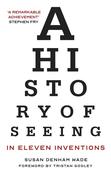
A History of Seeing in Eleven Inventions; Susan Denham Wade
Dublin 2 dublin
 ✓ In Stock
Secret Book and Record Store The
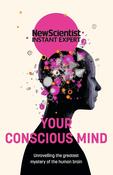
NewScientist: Your Conscious Mind: Unravelling the Greatest Mystery of the Human Brain
Dublin 2 dublin
 ✓ In Stock
Secret Book and Record Store The
Mr Smiley: My Last Pill and Testament; Howard Marks
Dublin 2 dublin
 ✓ In Stock
Secret Book and Record Store The
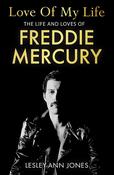
Love of my Life: The Life and Loves of Freddie Mercury; Lesley-Ann Jones
Dublin 2 dublin

 ✓ In Stock
Secret Book and Record Store The
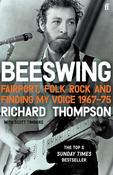
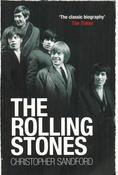
Beeswing: Fairport, Folk Rolk and Finding My Voice 1967-75; Richard Thompson
Dublin 2 dublin
 ✓ In Stock
Secret Book and Record Store The
Tai-Pan; James Clavell (The Second Novel of the Asian Saga)
Dublin 2 dublin

 ✓ In Stock
Secret Book and Record Store The
The Midnight Hour; Elly Griffiths (Brighton Mysteries Book 6)
Dublin 2 dublin
 ✓ In Stock
Secret Book and Record Store The
Now You See Them; Elly Griffiths (Brighton Mysteries Book 5)
Dublin 2 dublin


 ✓ In Stock
Secret Book and Record Store The
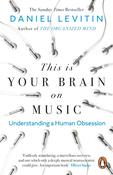
This is Your Brain on Music: Understanding a Human Obsession; Daniel Levitin
Dublin 2 dublin
 ✓ In Stock
Secret Book and Record Store The
The Starting School Book: How to Choose, Prepare for and Settle your Child in School; Sarah Ockwell-Smith
Dublin 2 dublin

 ✓ In Stock
Secret Book and Record Store The
Ask A Historian: 50 Surprising Answers to Things You Always Wanted to Know; Greg Jenner
Dublin 2 dublin
 ✓ In Stock
Secret Book and Record Store The
Smoke and Mirrors; Elly Griffiths (Brighton Mysteries Book 2)
Dublin 2 dublin
 ✓ In Stock
Secret Book and Record Store The
The Gentle Potty Training Book; Sarah Ockwell-Smith
Dublin 2 dublin
 ✓ In Stock
Secret Book and Record Store The
Knots & Crosses; Ian Rankin (Inspector Rebus Book 1)
Dublin 2 dublin
 ✓ In Stock
Secret Book and Record Store The
The Vanishing Box; Elly Griffiths (Brighton Mysteries Book 4)
Dublin 2 dublin



 ✓ In Stock
Secret Book and Record Store The
The Blood Card; Elly Griffiths (Brighton Mysteries Book 3)
Dublin 2 dublin


 ✓ In Stock
Secret Book and Record Store The
Desert Star; Michael Connelly (Harry Bosch Book 24)
Dublin 2 dublin
 ✓ In Stock
Secret Book and Record Store The
State of Terror; Hillary Rodham Clinton & Louise Penny
Dublin 2 dublin
 ✓ In Stock
Secret Book and Record Store The
A World On The Wing: The Global Odyssey of Migratory Birds; Scott Weidensaul
Dublin 2 dublin
 ✓ In Stock
Secret Book and Record Store The
The Hanging Garden; Ian Rankin (Inspector Rebus Book 9)
Dublin 2 dublin

 ✓ In Stock
Secret Book and Record Store The
Standing in Another Man's Grave; Ian Rankin (Inspector Rebus Book 18)
Dublin 2 dublin

 ✓ In Stock
Secret Book and Record Store The
Resurrection Men; Ian Rankin (Inspector Rebus Book 13)
Dublin 2 dublin
 ✓ In Stock
Secret Book and Record Store The
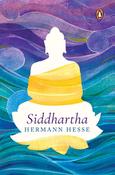
Thirteen Ways to Smell a Tree; David George Haskell
Dublin 2 dublin
 ✓ In Stock
Secret Book and Record Store The
Feathered & Fabulous: Wit and Wisdom from Glamorous Birds; Alison Throckmorton
Dublin 2 dublin


 ✓ In Stock
Secret Book and Record Store The
Set in Darkness; Ian Rankin (Inspector Rebus Book 11)
Dublin 2 dublin

 ✓ In Stock
Secret Book and Record Store The
Happy Plant: A Beginner's Guide to Cultivating Healthy Plant Care Habits; Puneet Sabharwal
Dublin 2 dublin
Related Searches
Mystery Novels For Teens
Brian Friel Plays
Usborne Books
Bedtime Stories For Kids
Children'S Prayer Book
Mo Leabharsa Book
Mental Health Strategies
Math Problem Solving
Irish Family History
Spiritual Gifts
Irish Civil War Book
Illustrated Children'S Fiction
Sports Books
Mills And Boon Novels
Secret Seven Irish