
-
Books 53142 Offer(s)


 ✓ In Stock
Secret Book and Record Store The
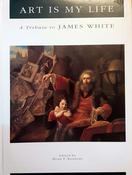
Art is My Life: A Tribute to James White; Edited by Brian P. Kennedy
Dublin 2 dublin

 ✓ In Stock
Secret Book and Record Store The
What Would de Beauvoir do; Tabi Jackson Gee & Freya Rose
Dublin 2 dublin


 ✓ In Stock
Secret Book and Record Store The
The Invisibles, Book 3 The Deluxe Edition; Grant Morrison
Dublin 2 dublin


 ✓ In Stock
Secret Book and Record Store The
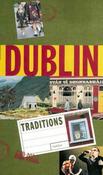
Dublin Traditions; Edited by Humaira Husain & Michelle Pickering
Dublin 2 dublin


 ✓ In Stock
Secret Book and Record Store The
Woken Furies; Richard Morgan (Altered Carbon Book 3)
Dublin 2 dublin



 ✓ In Stock
Secret Book and Record Store The
Mahler: His Life, Work & World; Kurt Blaukopf & Herta Blaukopf
Dublin 2 dublin
 ✓ In Stock
Secret Book and Record Store The
Eagles over North Africa and the Mediterranean 1940 - 1943; Jeffrey L. Ethell
Dublin 2 dublin


 ✓ In Stock
Secret Book and Record Store The
Iconotypes: A Compendium of Butterflies & Moths (Thames & Hudson)
Dublin 2 dublin
 ✓ In Stock
Secret Book and Record Store The
How Women Rise: Break the 12 Habits Holding You Back; Sally Helgesen & Marshall Goldsmith
Dublin 2 dublin


 ✓ In Stock
Secret Book and Record Store The
The Galaxy, and the Ground Within; Becky Chambers (Wayfarers, Book 4)
Dublin 2 dublin
 ✓ In Stock
Secret Book and Record Store The
The Abrupt Physics of Dying; Paul E. Hardisty (Claymore Straker Book 1)
Dublin 2 dublin
 ✓ In Stock
Secret Book and Record Store The
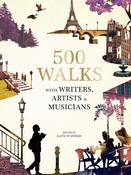
500 Walks with Writers, Artists & Musicians; Edited by Kath Stathers
Dublin 2 dublin


 ✓ In Stock
Secret Book and Record Store The
Bob Dylan: The Stories Behind the Classic Songs 1962 - 69; Andy Gill
Dublin 2 dublin

 ✓ In Stock
Secret Book and Record Store The
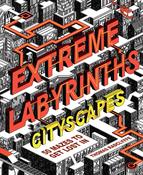
Extreme Labyrinths Cityscapes: 50 Mazes to Get Lost in; Thomas Radclyffe
Dublin 2 dublin

Related Searches
Illustrated Children'S Story
Reading Material
Coming Of Age Stories
Used Books Online
Irish History Novel
School Reading Material
Pirate Adventure Story
Mental Health Resources
Vintage Romance Novels
Cracking Maths Game Zone
Kids Illustrated Book
Romantic Literature
Classic Poetry Collection
Irish Bardic Poetry
Short Fiction Collection