
-
Books 53142 Offer(s)



 ✓ In Stock
Secret Book and Record Store The
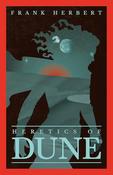
Heretics of Dune: The Fifth Dune Novel; Frank Herbert
Dublin 2 dublin

 ✓ In Stock
Secret Book and Record Store The
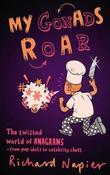
My Gonads Roar: The Twisted world of Anagrams; Richard Napier
Dublin 2 dublin



 ✓ In Stock
Secret Book and Record Store The
Pushing the Envelope: Making Sense out of Business Jargon; Caroline Taggart
Dublin 2 dublin
 ✓ In Stock
Secret Book and Record Store The
Yang Chu's Garden of Pleasure: The Philosophy of Individuality; Edited by Rosemary Brant
Dublin 2 dublin
 ✓ In Stock
Secret Book and Record Store The
Fashion Tribes: Global Street Style; Daniele Tamagni
Dublin 2 dublin

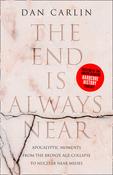

 ✓ In Stock
Secret Book and Record Store The
Graphic Design; Iain Cadby (For the Elms Lesters Painting Rooms)
Dublin 2 dublin
 ✓ In Stock
Secret Book and Record Store The
Lies Sleeping; Ben Aaronovitch (Rivers of London Book 8)
Dublin 2 dublin
 ✓ In Stock
Secret Book and Record Store The
The Furthest Station; Ben Aaronovitch (Rivers of London Book 7)
Dublin 2 dublin


 ✓ In Stock
Secret Book and Record Store The
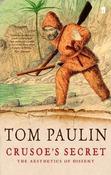
Crusoe's Secret: The Aesthetics of Dissent; Tom Paulin
Dublin 2 dublin

 ✓ In Stock
Secret Book and Record Store The
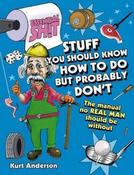
Stuff You Should Know How to Do But Probably Don't; Kurt Anderson
Dublin 2 dublin
 ✓ In Stock
Secret Book and Record Store The
Democracy, Parliament and Electoral Systems; Edited by Mary Anne Griffith-Traversy
Dublin 2 dublin

 ✓ In Stock
Secret Book and Record Store The
Dinner & Party: Gathering Suppers Feasts; Rose Prince
Dublin 2 dublin







 ✓ In Stock
Secret Book and Record Store The
Rewriting Exodus: American Futures from Du Bois to Obama; Anna Hartnell
Dublin 2 dublin


 ✓ In Stock
Secret Book and Record Store The
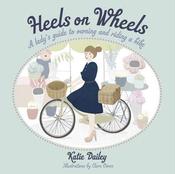
Heels on Wheels: A Lady's Guide to Owning and Riding a Bik; Katie Dailey
Dublin 2 dublin
 ✓ In Stock
Secret Book and Record Store The
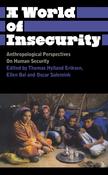
A World of Insecurity: Anthropological Perspectives of Human Security; Thomas Hylland Eriksen
Dublin 2 dublin
 ✓ In Stock
Secret Book and Record Store The
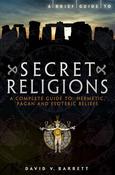
A Brief Guide to Secret Religions, A Complete Guide to Hermetic, Pagan, and Esoteric Beliefs; David W. Barrett
Dublin 2 dublin


 ✓ In Stock
Secret Book and Record Store The
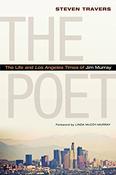
The Poet, The Life and Los Angeles Times of Jim Murray; Steven Travers
Dublin 2 dublin
 ✓ In Stock
Secret Book and Record Store The
Uncommon People, The Rise and Fall of the Rock Stars; David Hepworth
Dublin 2 dublin
 ✓ In Stock
Secret Book and Record Store The
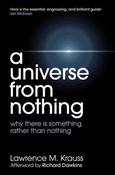
A Universe from Nothing, Why There is Something Rather Than Nothing; Lawrence M. Krauss
Dublin 2 dublin
 ✓ In Stock
Secret Book and Record Store The
The Mammoth Book of Celtic Myths and Legends; Peter Berresford Ellis
Dublin 2 dublin
Related Searches
Children Fantasy Novel
Neil Gaiman Books
Fantasy Adventure Series
The Gruffalo Book
Comic Book
Travel Books Ireland
Children'S Storybook
George R.R. Martin Book
Educational Books Children
Children'S Educational Materials
Irish Legal System
Peppa Pig Pop Up Tent
Women'S Fiction
Shirley Hughes Book
Thomas Hardy Book